Bailey Water Institute
The Bailey Water Institute works to protect and improve the water quality of Sanibel, Captiva, and surrounding coastal waters. As part of the Sanibel-Captiva Conservation Foundation, the Institute conducts scientific research, monitors water conditions, and shares clear, accessible information to help people understand how water systems work and how everyday choices affect the health of our coastal ecosystems.
Water Quality News
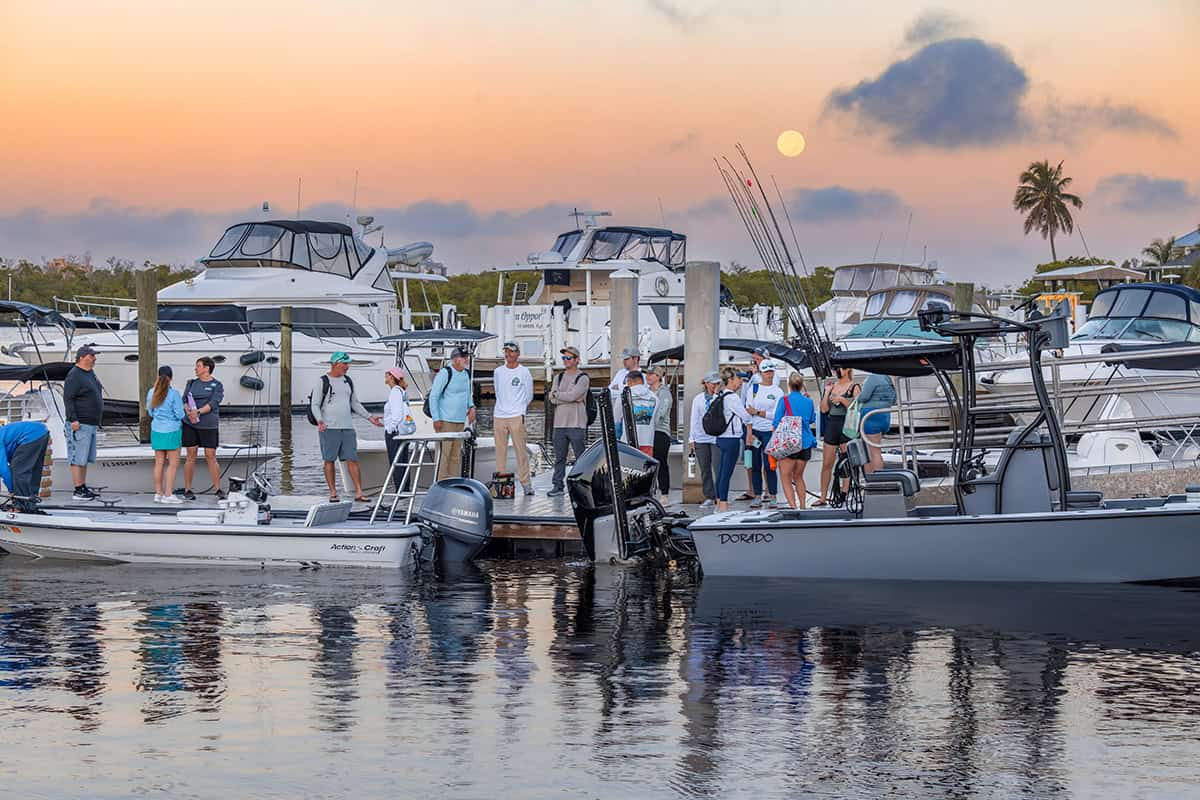
Protecting water starts with all of us.
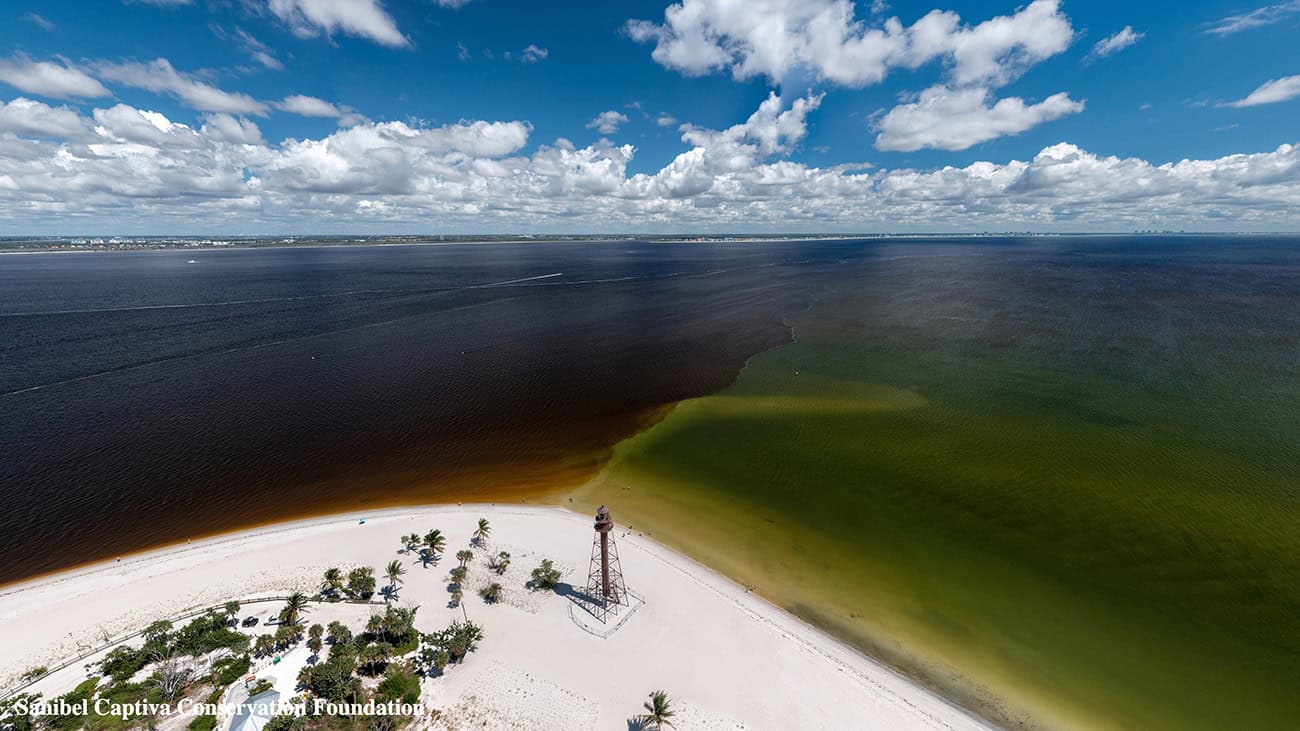
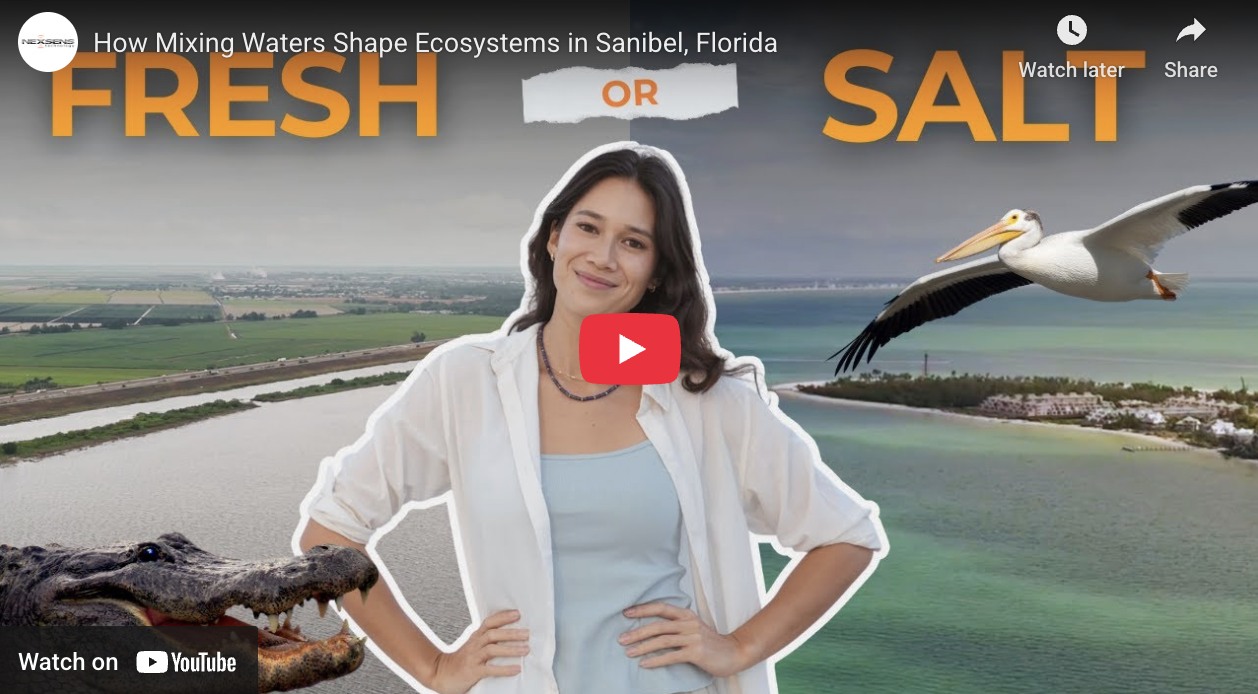
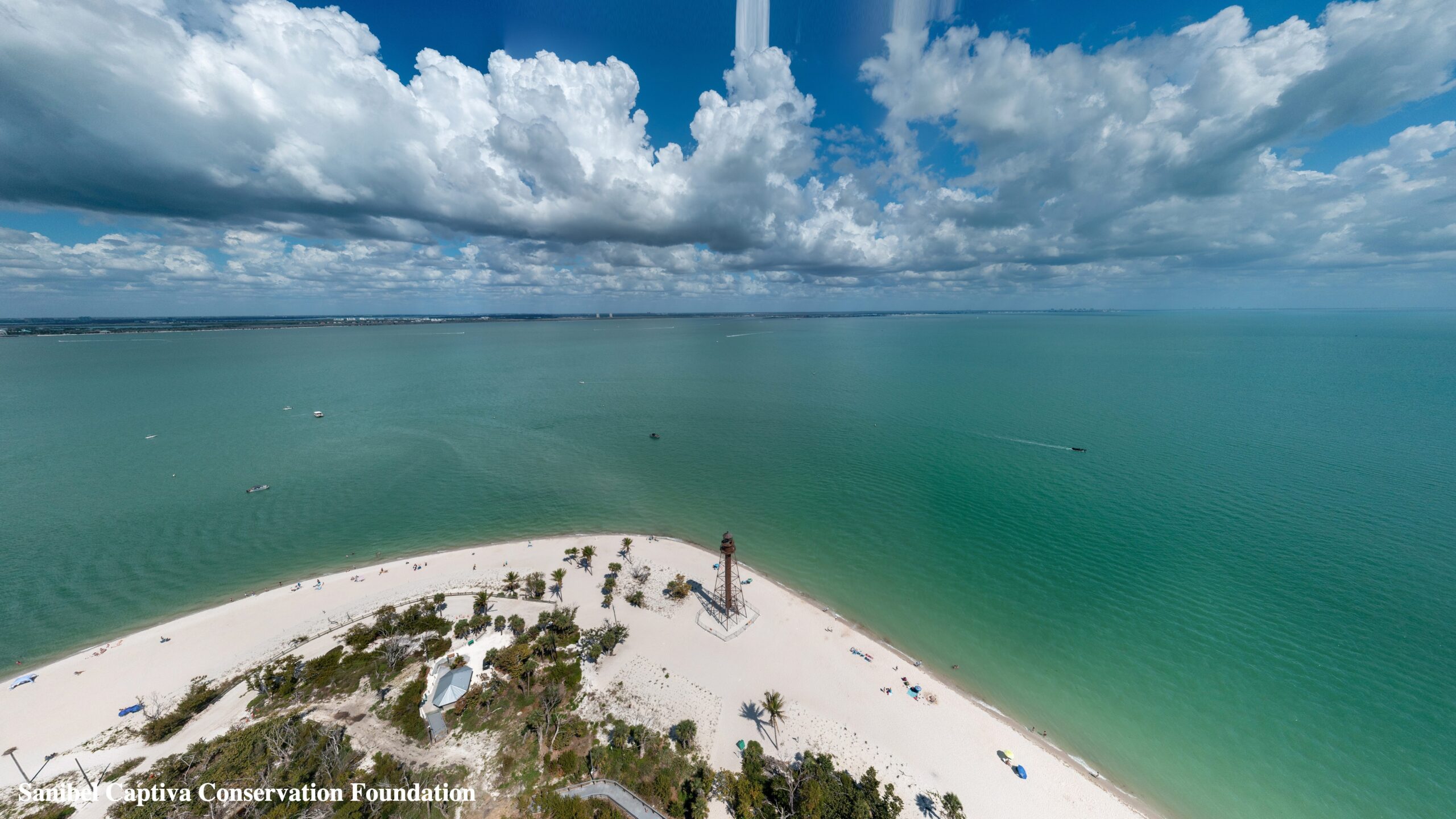
Sanibel and Captiva are part of a connected coastal system influenced by the Caloosahatchee River, surrounding estuaries, and the Gulf. What happens upstream, from freshwater releases to land use decisions, plays a direct role in the health of local waters.
Explore the connection between science, everyday actions, and water quality.
Why Water Quality Matters
Understand what makes these waters unique and what impacts them.
Water Conditions
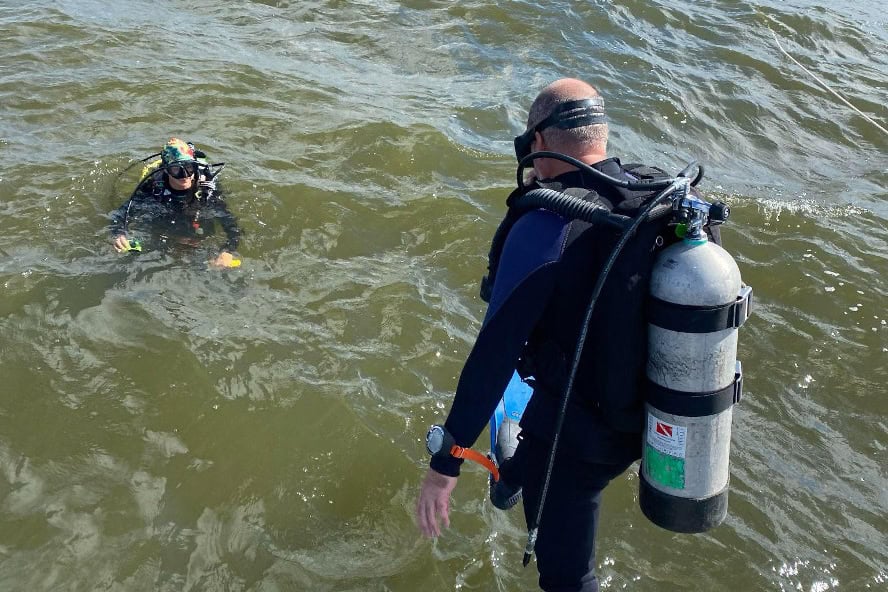
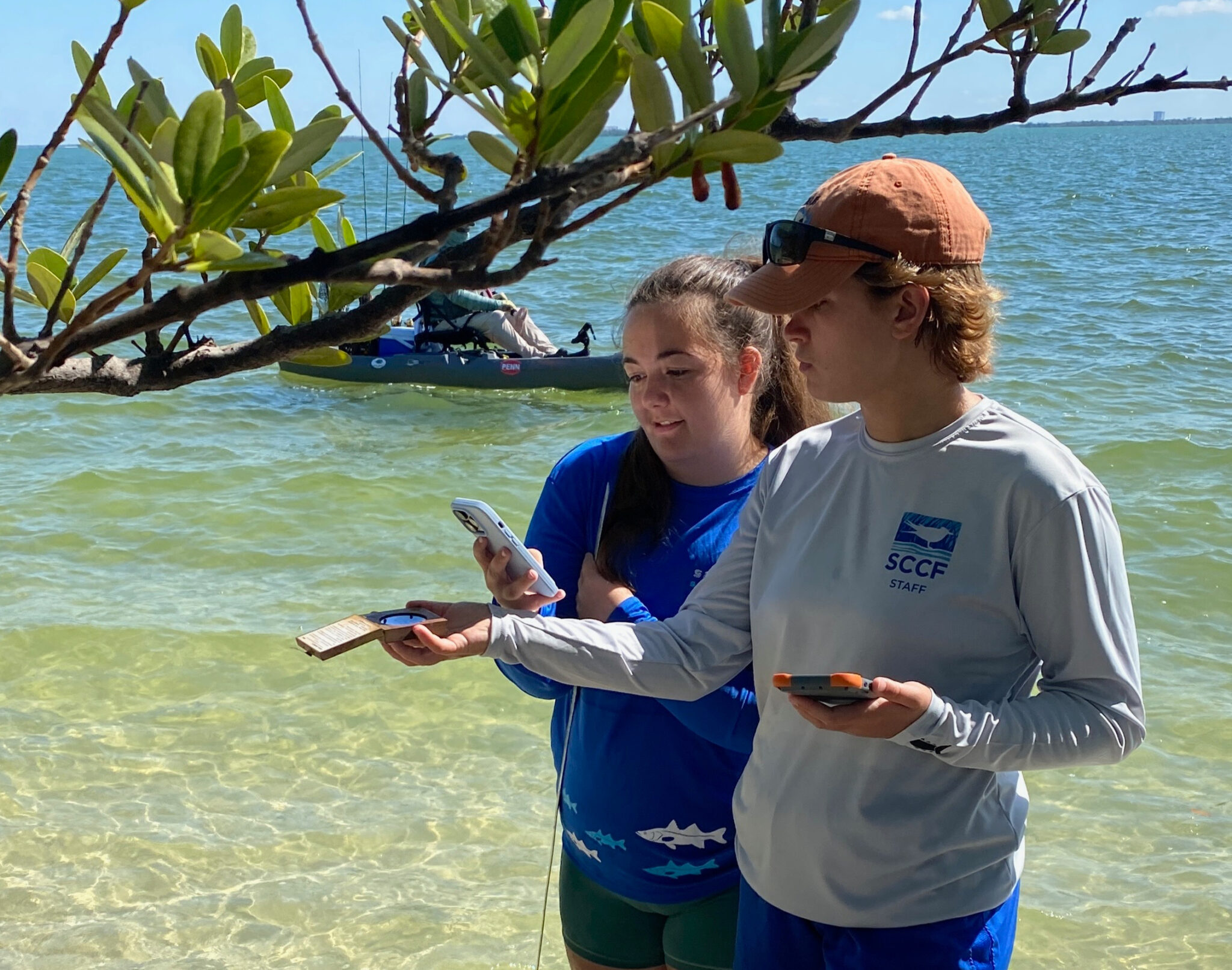
The Bailey Water Institute monitors water quality across Sanibel, Captiva, and surrounding coastal waters to better understand changing conditions and long-term trends. Our scientists track key indicators such as salinity, nutrient levels, and environmental conditions to help identify what is happening in our waters and why.
Water Quality Conditions Tracker
Water conditions can change quickly based on weather, freshwater releases, and seasonal patterns. By sharing real-time data and clear explanations, we aim to make water science more accessible and help the community stay informed.
Understanding these conditions helps:
- Identify potential risks to ecosystems
- Track long-term environmental changes
- Support science-based solutions and decision-making
Why Water Quality Matters
Water quality describes how clean and healthy water is for people, wildlife, and coastal ecosystems. When water quality declines, the impacts extend far beyond the shoreline, affecting beaches, fisheries, tourism, and local communities.
Sanibel and Captiva are part of a larger watershed that stretches from Lake Okeechobee through the Caloosahatchee River and into the Gulf. This means water quality here is shaped by both local conditions and what happens upstream.
96% of people report wanting to take action to improve water quality, but many are still looking for clear, practical ways to do so.
Why Sanibel and Captiva’s Water Is Special
The mixing of freshwater and saltwater creates a dynamic estuarine system that supports a wide range of habitats, including:
- Seagrass meadows that serve as nurseries for marine life
- Mangroves that stabilize shorelines and filter water
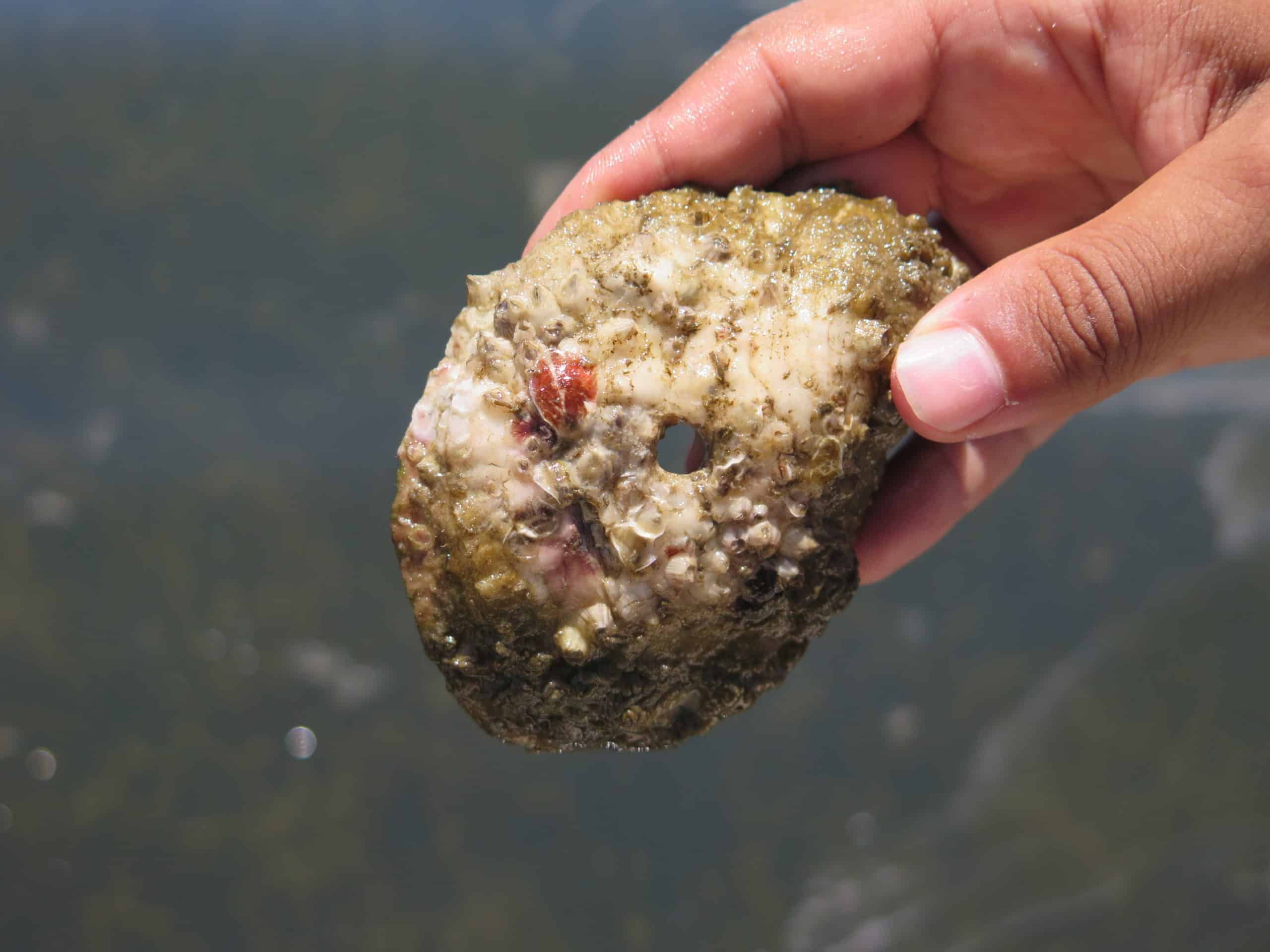
- Oyster reefs that improve water clarity
- Habitat for birds, dolphins, and manatees
These ecosystems also help protect coastlines, improve water quality, and support the local economy.
What Affects Water Quality
Water quality is influenced by both natural processes and human activity, many of which occur far from the coast.
Key factors include:
Runoff from streets, lawns, and developed areas
Excess nutrients from fertilizers and wastewater
Changes in freshwater flow that disrupt salinity balance
Boating activity that can damage seagrass
These pressures can lead to algae blooms, habitat loss, and impacts to wildlife and fisheries.
Because these challenges often begin upstream, improving water quality requires awareness and action across the entire system.
Our Approach
The Bailey Water Institute works at the intersection of science and community to protect coastal water quality and strengthen understanding of the systems that sustain it.
Monitoring & Research
Scientists track water conditions to understand what is happening and why.
Clear, Accessible Education
We translate complex science into information people can use and relate to.
Community Connection
We help residents and visitors see how local water issues connect to water challenges everywhere.
Why Education Matters
Education is one of the most powerful tools for protecting water. While many people are familiar with visible issues like red tide, fewer understand the underlying factors, such as nutrient pollution, freshwater flow, and habitat loss, that contribute to long-term water quality challenges.
In a recent survey of Southwest Florida residents, nearly all respondents reported awareness of red tide, while significantly fewer were familiar with issues like wetland loss. This highlights an important gap in understanding.
By building a deeper awareness of how these systems work, we help people make informed choices that support healthier ecosystems and more resilient coastal communities.
What You Can Do
Protecting Southwest Florida’s water starts with people like you. Join our community and stay engaged in the fight for clean water.
Sign up for our mailing list
At Home
- Use fertilizer sparingly or not at all
- Choose native plants that need less water, fertilizer and pesticides.
- Fix leaks and maintain plumbing and septic systems
- Reduce single use plastics that can end up in waterways
In the Water
- Avoid seagrass when boating
- Never dump waste or chemicals into waterways
- Dispose of trash and fishing line properly
- Follow local guidelines that protect wildlife and habitats
As a Visitor
- Respect wildlife areas, guidelines and sensitive habitats
- Support conservation minded businesses and eco-tourism experiences
- Share what you have learned with friends and family
- Engage with educational events, lectures and volunteer opportunities
Follow Our Work
Stay connected to Southwest Florida’s water and the work that protects it.
Protecting water quality is a responsibility we all share, no matter where we call home.